A fusion of tradition and industry
With two of the six ancient kilns in Tokoname and Seto, and a thriving textile industry including Arimatsu tie-dye, Aichi's traditional crafts can be said to be the roots of Japan's manufacturing industry.
Traditional Crafts
-
Textiles and dyeing
Arimatsu and Narumi dyed
Cotton cloth is tied with thread and dyed with indigo or other dyes to create patterns. There are over 100 different techniques.
-
Ceramics
Tokoname ware
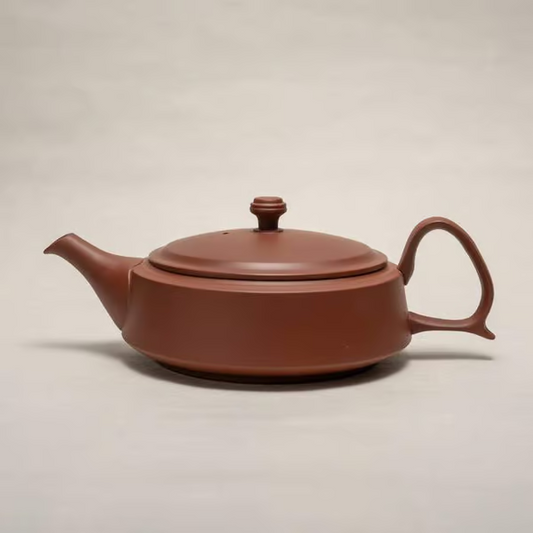
They are famous for their "red clay" teapots, which are made by firing iron-rich clay, giving the tea a mellow flavor.
-
Buddhist altars and accessories
Nagoya Buddhist Altar
The golden Buddhist altar is characterized by its luxurious palace-like design known as the "three roofs" and its raised-floor structure.
-
Buddhist altars and accessories
Mikawa Buddhist Altar
It has a unique style, with components such as transoms and shoji screens kept low and undulating nageshi (railings).
-
stationery
Toyohashi Brush
This brush has good ink absorption and a supple writing feel. It is characterized by the "nerimezeki" technique, which mixes the bristles without using water.
-
Ceramics
Akazu ware
He makes use of seven traditional glazes, including Oribe and Shino, and 12 decorative techniques, including spatula carving.
-
Traditional Crafts
Owari Shippo
This craft is made by baking a glassy glaze onto a metal base. It is characterized by intricate designs such as wireless cloisonné.
-
Ceramics
Seto Sometsuke ware
Seika is a porcelain piece that is painted with gosu (cobalt pigment) and then covered with a transparent glaze before being fired.
-
Buddhist altars and accessories
Owari Buddhist Altarware
We produce a wide variety of Buddhist altar accessories, including those made from wood and metal. Specialized craftsmen in each process create high-quality products.
-
stonework
Okazaki Stoneworks
High-quality granite is used to create lanterns and sculptures. Advanced stone carving techniques.
-
Woodwork/Bamboowork
Nagoya paulownia chest of drawers
This high-quality chest of drawers is made from high-quality paulownia wood using woodworking techniques borrowed from the skills of the carpenters at Atsuta Shrine.
-
staining
Nagoya Yuzen
Hand-painted Yuzen is characterized by its monochromatic, light and shade colors, with a subdued, sophisticated tone.
-
staining
Nagoya black crested dye
This crested kimono is dyed a deep jet black using a technique called "Torohiki Kurozome."
-
Traditional Crafts
Sanshu Onigawara Crafts
Onigawara are decorative and talismanic tiles made using the Sanshu tile technique, which have a silvery patina.
-
Traditional Crafts
Nagoya Festival Decorations
Fabric products such as flags, featuring hand-painted or dyed designs of warriors.
A modern masterpiece
-
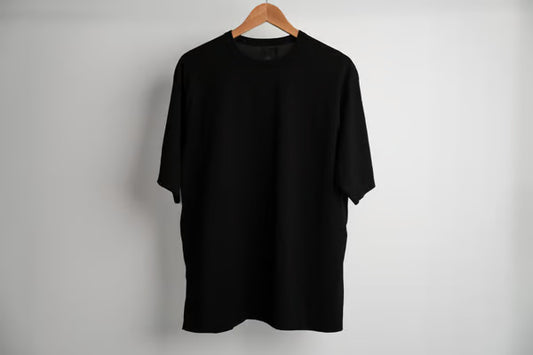
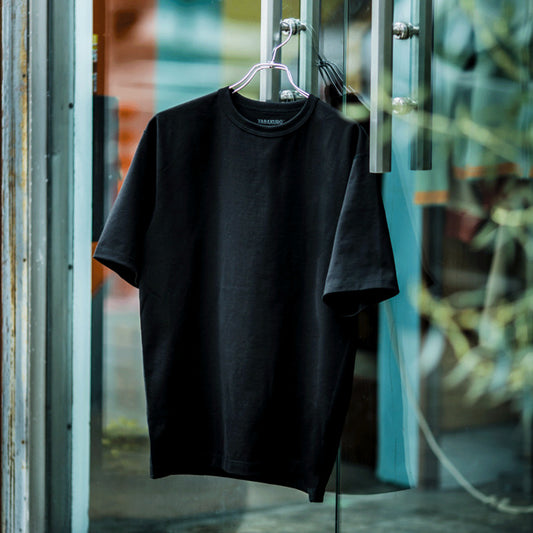
YABAKURO JET BLACK - XXL
Vendor:Narrative PlatformRegular price ¥35,100 JPYRegular price -
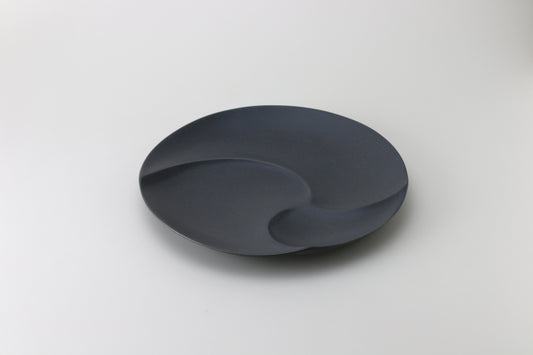
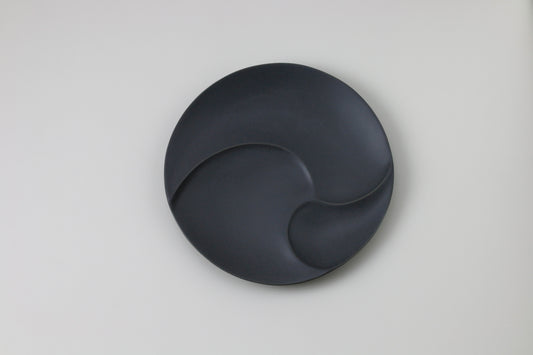
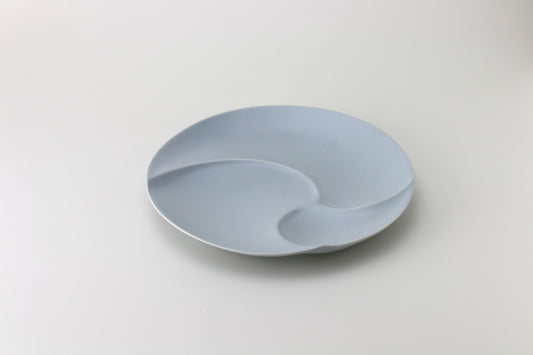
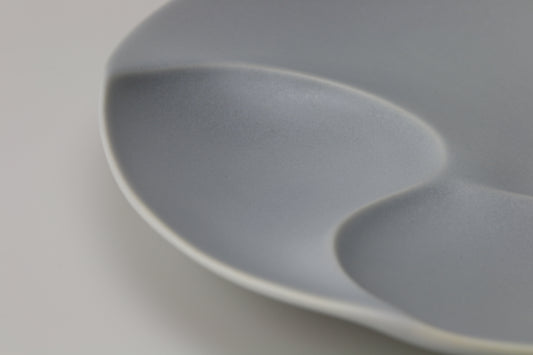
Divider Plate L (Gray)
Vendor:Narrative PlatformRegular price ¥6,600 JPYRegular price -
Divider plate L (light gray)
Vendor:Narrative PlatformRegular price ¥6,600 JPYRegular price -
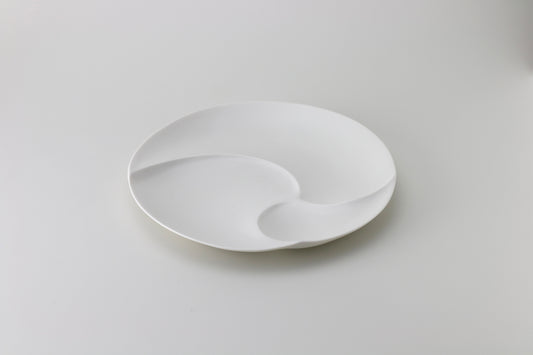
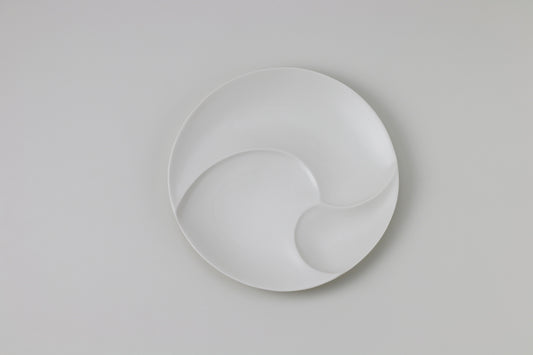
Divider plate L (white)
Vendor:Narrative PlatformRegular price ¥6,600 JPYRegular price -
YABAKURO JET BLACK - L
Vendor:Narrative PlatformRegular price ¥35,100 JPYRegular price -
YABAKURO JET BLACK - M
Vendor:Narrative PlatformRegular price ¥35,100 JPYRegular price -
YABAKURO JET BLACK - XL
Vendor:Narrative PlatformRegular price ¥35,100 JPYRegular price -
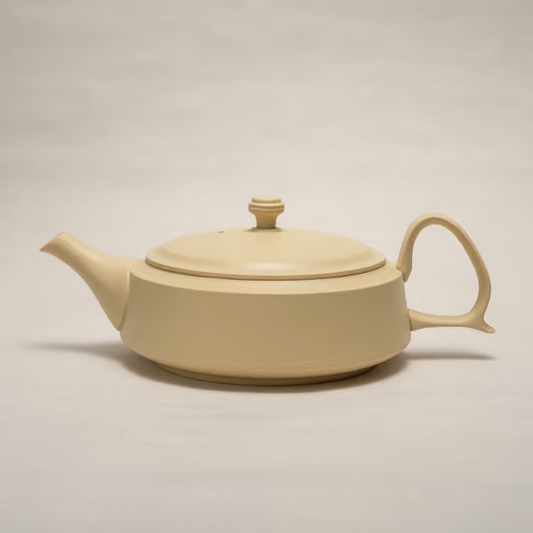
TAKASUKE TEAPOT WHITE
Vendor:Narrative PlatformRegular price ¥19,800 JPYRegular price -
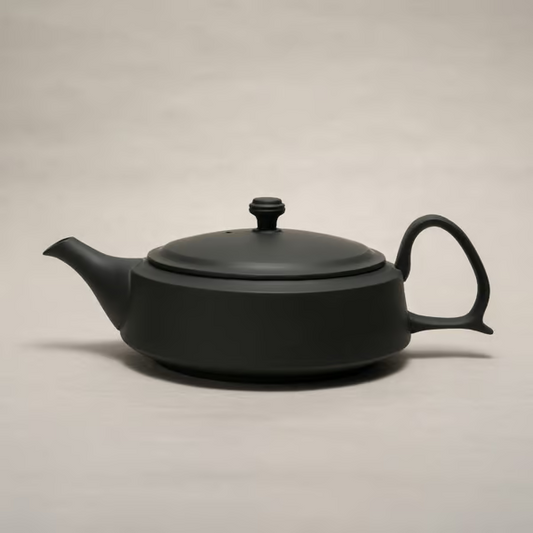
TAKASUKE TEAPOT BLACK
Vendor:Narrative PlatformRegular price ¥19,800 JPYRegular price -
TAKASUKE TEAPOT RED CLAY
Vendor:Narrative PlatformRegular price ¥19,800 JPYRegular price -
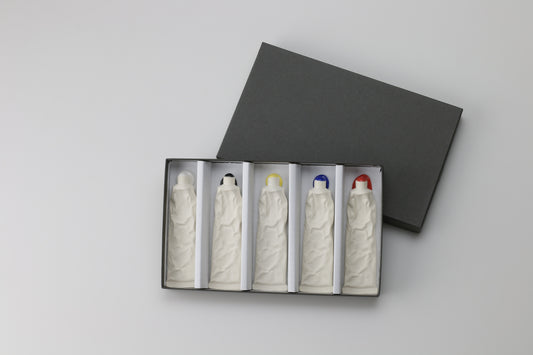
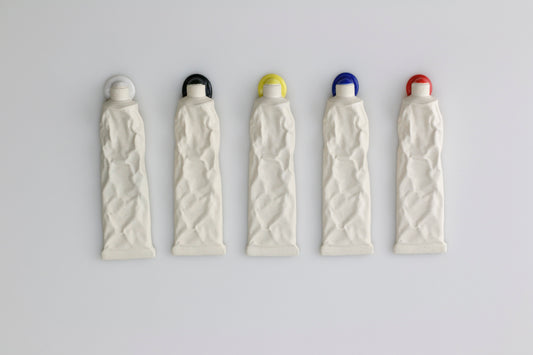
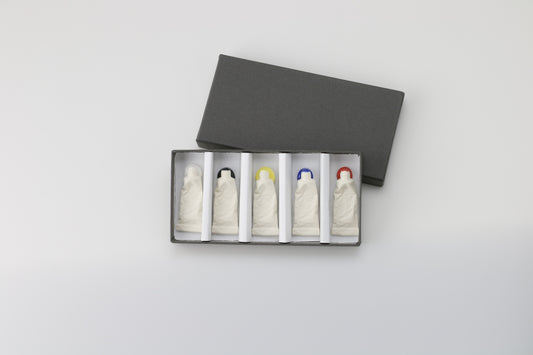
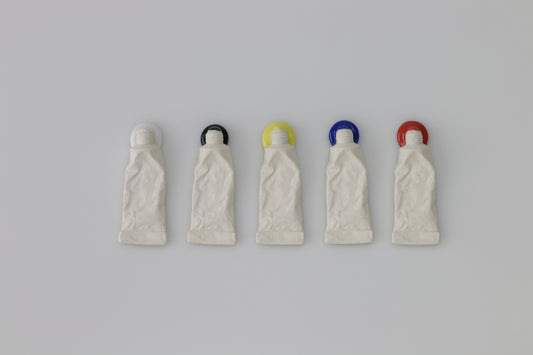
Paint cutlery rest
Vendor:Narrative PlatformRegular price ¥6,270 JPYRegular price -
Paints Chopstick rests
Vendor:Narrative PlatformRegular price ¥5,720 JPYRegular price