The origin and pinnacle of Japanese beauty
Nishijin-ori, Kyo-Yuzen, Kiyomizu-yaki, Kyoto lacquerware... Kyoto crafts, honed in the capital for a thousand years, are the crystallization of Japanese aesthetic sense, and continue to pursue the highest quality even today.
Traditional Crafts
-
Textiles and dyeing
Nishijin weaving
Pre-dyed patterned fabrics suitable for small-lot production of a wide variety of items. Luxurious and intricately woven fabrics for obi and kimono.
-
Textiles and dyeing
Kyoto Kanoko dyeing
Tie-dyeing is a method of dyeing silk fabric by tying it with thread. This method produces extremely detailed, three-dimensional patterns, such as Hitta tie-dye.
-
Buddhist altars and accessories
Kyoto Buddhist altar
Each step is made by specialized craftsmen working together to create a delicate and elegant Buddhist altar, adorned with lacquer and gold leaf.
-
Buddhist altars and accessories
Kyoto Buddhist altar equipment
The products range from Buddhist statues, ritual implements, temple bells, and more. These are prestigious Buddhist implements made using traditional techniques.
-
lacquerware
Kyoto lacquerware
It features a delicate and sophisticated "wabi-sabi" design, such as a thin layer of lacquer applied to a thin wooden base.
-
staining
Kyoto Yuzen
Characterized by vibrant colors and picturesque patterns, there are two types of yuzen: kata-yuzen, which uses stencils, and hand-drawn yuzen.
-
Traditional Crafts
Kyoto Komon
Using Ise stencil paper, detailed patterns are dyed in a single color. It originated from the kamishimo (formal attire) worn by samurai.
-
Woodwork/Bamboowork
Kyoto joinery
Furniture and tea ceremony utensils are made by combining pieces of wood without using nails. High-quality wood is selected and the wood grain is made to stand out.
-
Traditional Crafts
Kyoto embroidery
Silk fabric is embroidered with gold, silver, and colored threads. This elegant technique originates from the twelve-layered kimono of the Heian period.
-
Traditional Crafts
Kyoto Kumihimo
Used for obi-jime (sash bands) and haori cords, this complex and beautiful braid is made up of dozens of threads.
-
Ceramics
Kyoto ware and Kiyomizu ware
A general term for ceramics made in Kyoto. Each artist has their own unique style, and Ninsei and Kenzan wares are famous for their gorgeous overglaze paintings.
-
Traditional Crafts
Kyoto folding fan
The fan surface, fan ribs, and finishing are all made through separate labor divisions. There are a wide variety of types, not only for practical use but also for dance and tea ceremonies.
-
Traditional Crafts
Kyoto fan
This elegant fan features a "sashi-hata" structure in which the fan surface and handle are made separately and then inserted later.
-
staining
Kyoto black crested dye
This crested kimono is dyed a deep jet black. The black color is achieved by dyeing it multiple times.
-
stonework
Kyoto stone crafts
Stone lanterns and washbasins made from granite (such as Shirakawa stone) that blend in well with temples, shrines, and Japanese gardens.
-
dolls/toys
Kyoto dolls
It originated as a pastime played by aristocrats in the Heian period. The costumes and facial features are elegant, and many of the performers wear Nishijin-ori (woven) clothing.
-
Traditional Crafts
Kyoto mounting
The techniques for making hanging scrolls, folding screens, sliding doors, etc. are also essential for the restoration of cultural properties.
A modern masterpiece
-
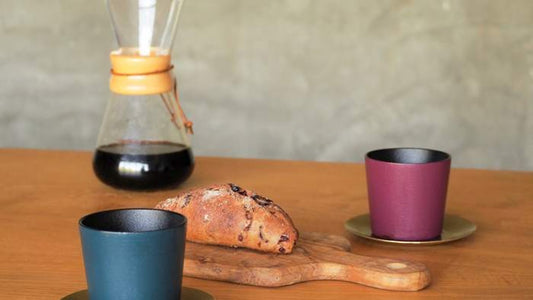
KISSUL UTAGE 350ml (Purple)
Vendor:Narrative PlatformRegular price ¥19,800 JPYRegular price -
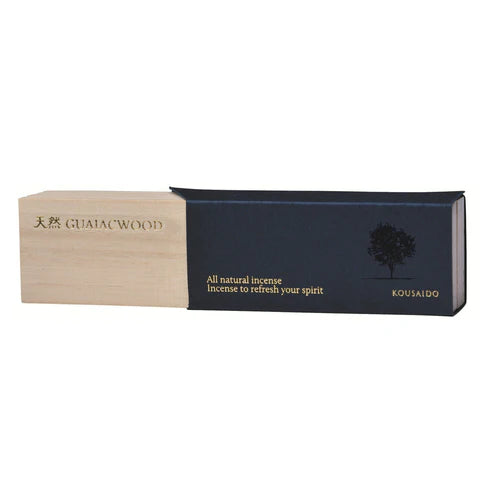
Natural Gaiac Wood
Vendor:Narrative PlatformRegular price ¥4,400 JPYRegular price -
69 Soun Cloud-Inspired Japanese Teacup
Vendor:仁秀Regular price ¥3,828 JPYRegular price -
68 Soun Cloud-Inspired Japanese Multi-Purpose Cup
Vendor:仁秀Regular price ¥4,356 JPYRegular price -
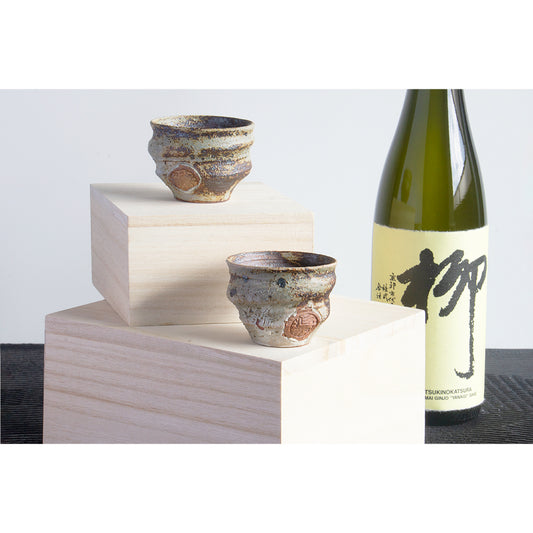
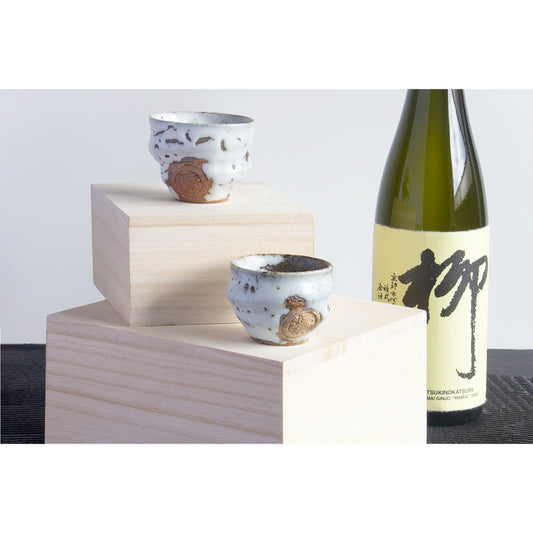
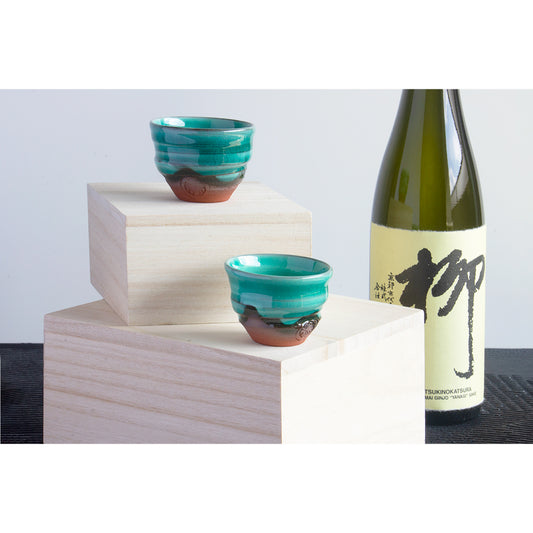
67 Soun Cloud-Inspired Japanese Sake Cup
Vendor:仁秀Regular price ¥3,600 JPYRegular price -
66 Ryu Japanese Sake Cup
Vendor:仁秀Regular price ¥3,600 JPYRegular price -
65 Kai Japanese Sake Cup
Vendor:仁秀Regular price ¥3,600 JPYRegular price -
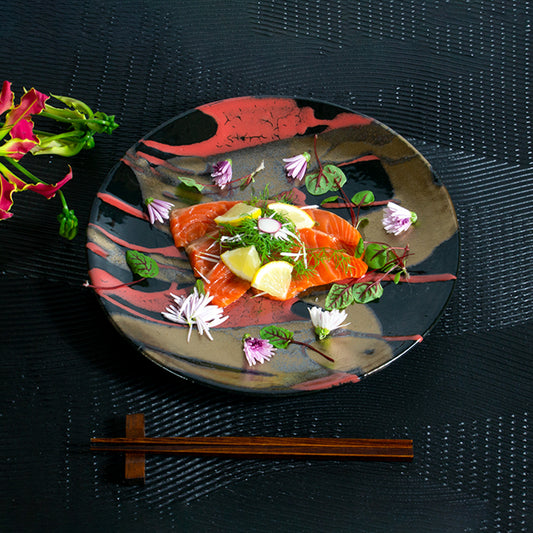
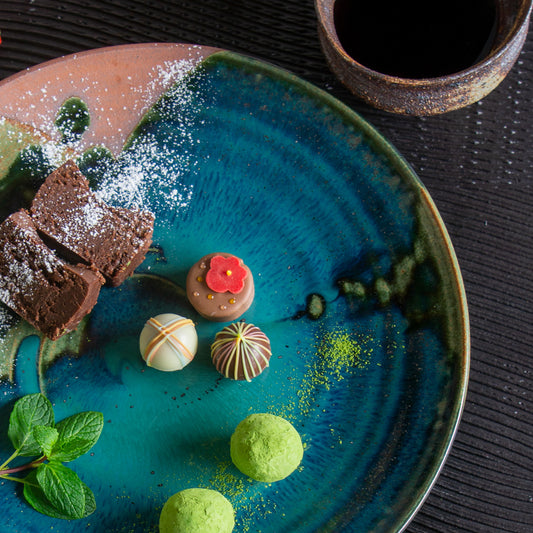
64 Fuga Japanese Dinner Plate
Vendor:仁秀Regular price ¥26,400 JPYRegular price -
63 Zui Japanese Matcha Bowl
Vendor:仁秀Regular price ¥10,758 JPYRegular price -
62 Zui Japanese Teacup
Vendor:仁秀Regular price ¥3,828 JPYRegular price -
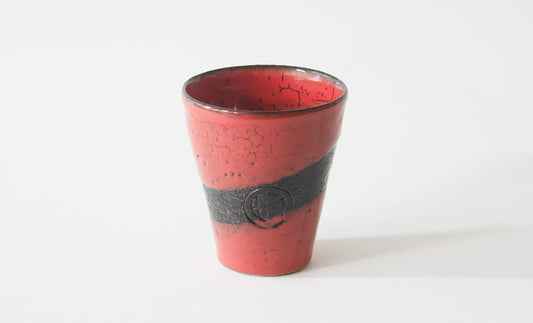
61 Zui Japanese Multi-Purpose Cup
Vendor:仁秀Regular price ¥4,356 JPYRegular price -
60 Bokuryusai Japanese Mini Plate
Vendor:仁秀Regular price ¥1,452 JPYRegular price -
59 Hanarokusho Emerald-Glazed Japanese Teacup
Vendor:仁秀Regular price ¥3,564 JPYRegular price -
58 Hanarokusho Emerald-Glazed Japanese Multi-Purpose Cup
Vendor:仁秀Regular price ¥3,828 JPYRegular price -
57 Hakuryusai Japanese Mini Plate
Vendor:仁秀Regular price ¥1,452 JPYRegular price -
56 Zui Japanese Dinner Plate
Vendor:仁秀Regular price ¥23,760 JPYRegular price -
55 Zui Japanese Sake Cup
Vendor:仁秀Regular price ¥3,600 JPYRegular price -
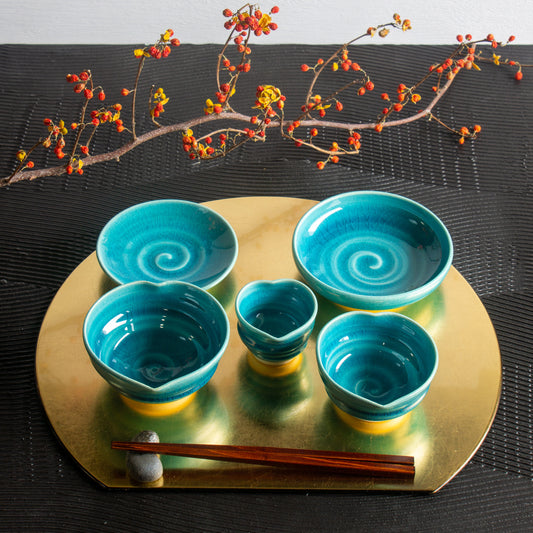
54 Sokuu Blue Okuizome Set – Japanese Baby Celebration Tableware
Vendor:仁秀Regular price ¥15,840 JPYRegular price -
53 Hanarokusho Japanese Mini Plate
Vendor:仁秀Regular price ¥1,188 JPYRegular price -
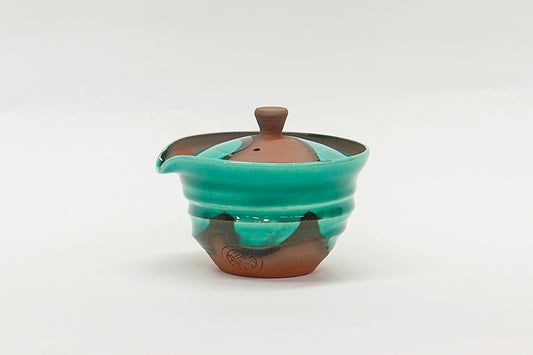
52 Hanarokusho Japanese Hohin Teapot
Vendor:仁秀Regular price ¥5,940 JPYRegular price