The spirit of craftsmanship lives on in a global city
The sparkle of Edo Kiriko glass and the brilliance of silverware. At the foot of Tokyo, where cutting-edge trends are born, the techniques of stylish and dashing Edokko artisans are passed down through the generations.
Traditional Crafts
-
Textiles and dyeing
Murayama Oshima Tsumugi
Silk fabric made with kasuri threads dyed using the board-dyeing technique. Lightweight and durable.
-
staining
Tokyo Somekomon
A dyeing technique that uses Ise stencil paper to dye intricate patterns such as shark patterns in one color.
-
Traditional Crafts
Authentic Kihachijo
Silk fabric dyed with plants native to Hachijojima, with a base color of yellow, birch, and black.
-
dolls/toys
Edo Kimekomi Dolls
A doll made of paulownia wood (solidified paulownia powder) with grooves carved into the body and the edges of the clothing pushed into it.
-
Metalwork
tokyo silverware
Silver products are made using techniques such as hammering and engraving. Tableware, ornaments, and other items have a beautiful silver shine.
-
staining
Tokyo Hand-painted Yuzen
It features calm colors based on indigo and white, reflecting the sophistication of Edo, and realistic floral patterns.
-
Textiles and dyeing
Tamaori
There are five varieties, including Omeshi, Tsumugi, and Futsuori. This silk fabric has a subdued color and a simple texture.
-
Traditional Crafts
Edo Japanese fishing rod
A fishing rod made from a single piece of bamboo. Finished with lacquer, it combines functional beauty with artistic value.
-
Woodwork/Bamboowork
Edo joinery
Furniture made by combining wood without using metal nails. The stylish finish makes use of the grain of mulberry and zelkova wood.
-
Traditional Crafts
Edo Karakami
Sliding door paper is made by imprinting patterns onto Japanese paper using a woodblock or sprinkling gold and silver foil on it.
-
Glass crafts
Edo Kiriko
Glass craft involves cutting geometric patterns into the surface of glass using a metal plate or whetstone.
-
dolls/toys
Edo Festival Dolls
Armor and Hina dolls made with techniques inherited from the Edo period. Realistically crafted with attention to detail.
-
Traditional Crafts
Edo woodblock prints
Ukiyo-e woodblock prints are produced through a division of labor between painters, carvers, and printers, and are characterized by their vivid colors.
-
Glass crafts
Edo Glass
Handmade glass products are made by free-blowing or mold-blowing glass wound on a rod.
-
Traditional Crafts
Edo tortoiseshell
Hawksbill turtle shells are pressed together using only heat and water and then processed into ornaments, eyeglass frames, and more.
-
Traditional Crafts
Tokyo Antimony Crafts
An ornament made by casting an alloy of lead, antimony, and tin and then plating or painting it.
-
staining
Tokyo plain dyeing
A technique for dyeing fabric in a single color, making use of the pattern and texture of the fabric, such as solid colors and gradation dyeing.
-
Traditional Crafts
Edo Oshie
This craft involves placing cotton on cardboard and wrapping it in cloth to create a three-dimensional pattern. It is used to decorate hagoita (battledores).
A modern masterpiece
-
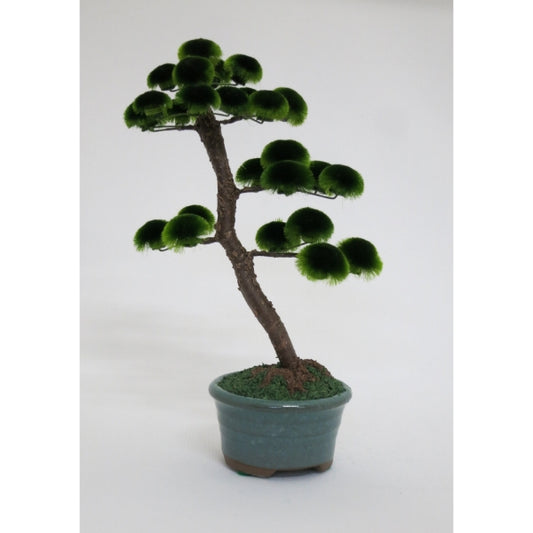
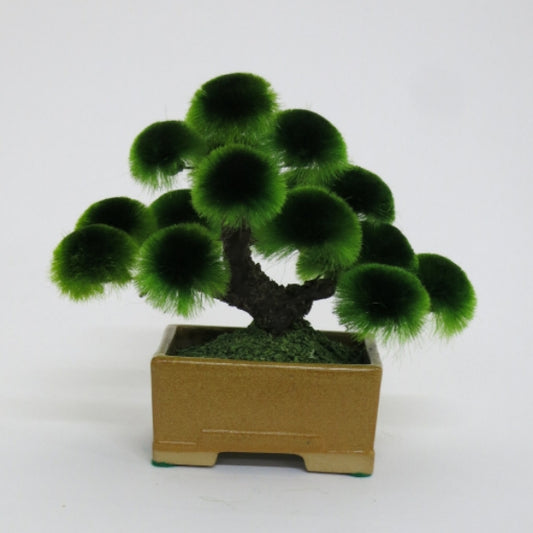
Bonsai small pot with pine and slanted trunk
Vendor:Narrative PlatformRegular price ¥10,450 JPYRegular price -
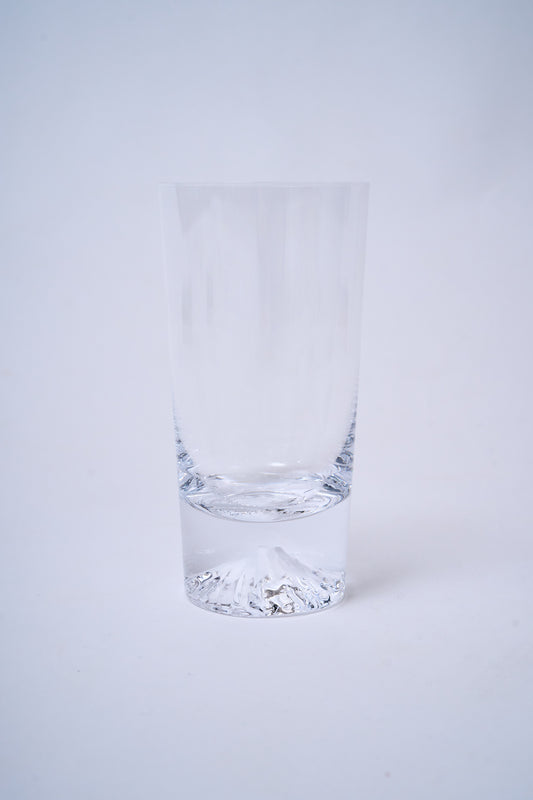
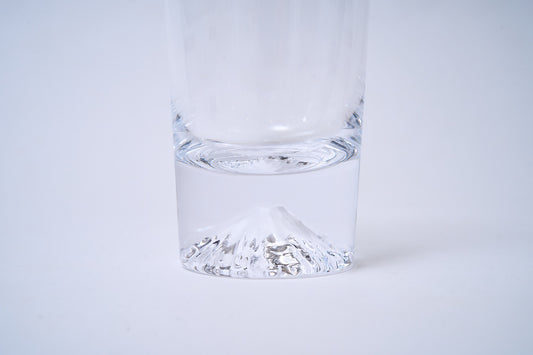
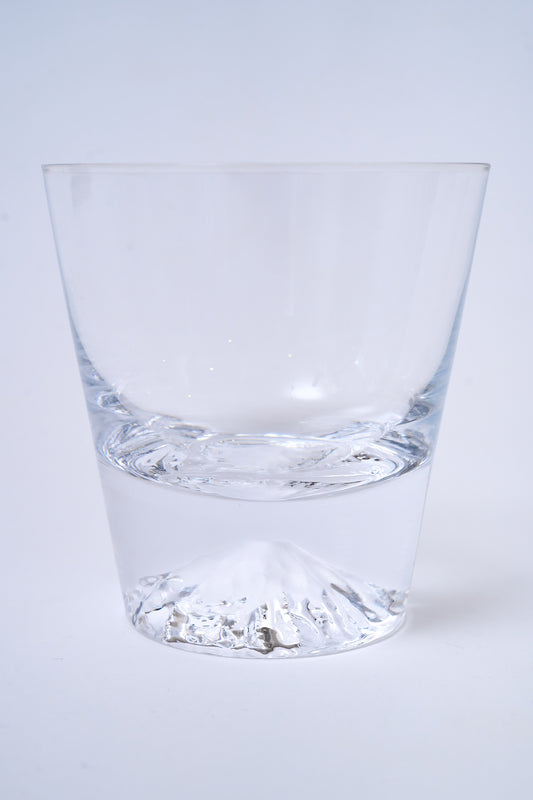
富士山グラス TG15-015-T
Vendor:Narrative PlatformRegular price ¥5,500 JPYRegular price -
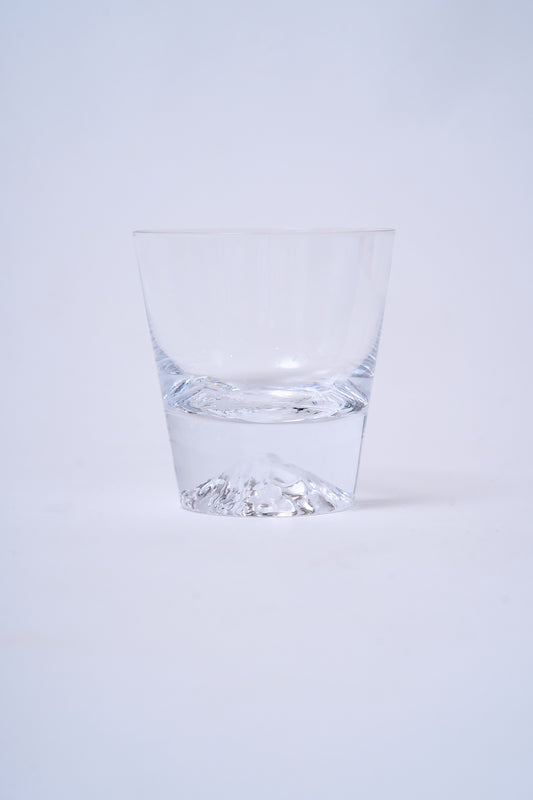
富士山グラス TG15-015-R
Vendor:Narrative PlatformRegular price ¥5,500 JPYRegular price -
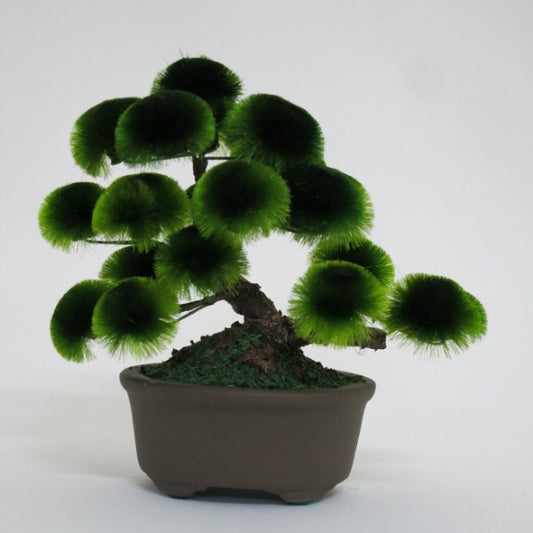
Bonsai small pot pine 4 inch
Vendor:Narrative PlatformRegular price ¥9,900 JPYRegular price -
Bonsai small pot pine 2 cm 5 minutes
Vendor:Narrative PlatformRegular price ¥10,450 JPYRegular price -
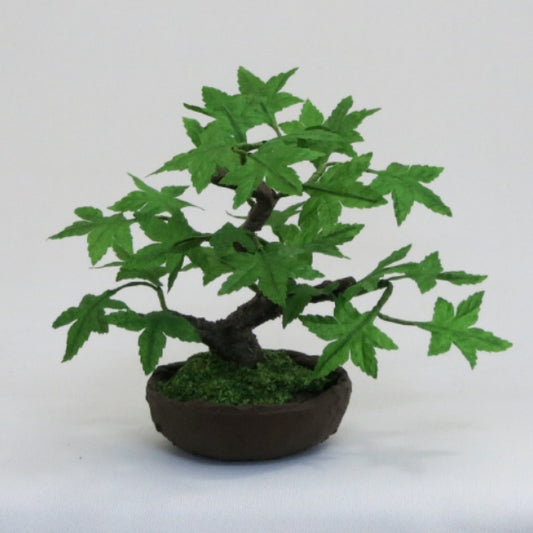
Small Bonsai Pot, Maple, Green
Vendor:Narrative PlatformRegular price ¥5,500 JPYRegular price -
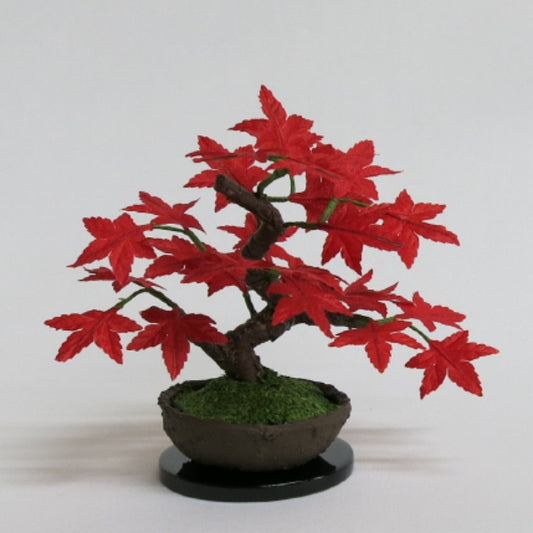
Bonsai small pot maple leaves
Vendor:Narrative PlatformRegular price ¥5,500 JPYRegular price -
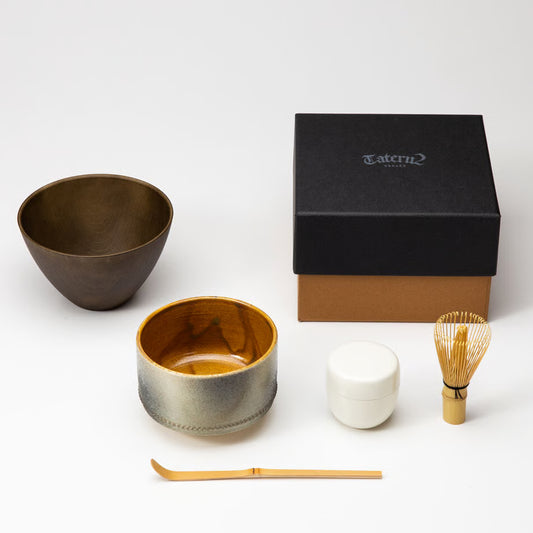
tateru2 verBlack
Vendor:Narrative PlatformRegular price ¥29,700 JPYRegular price -
-